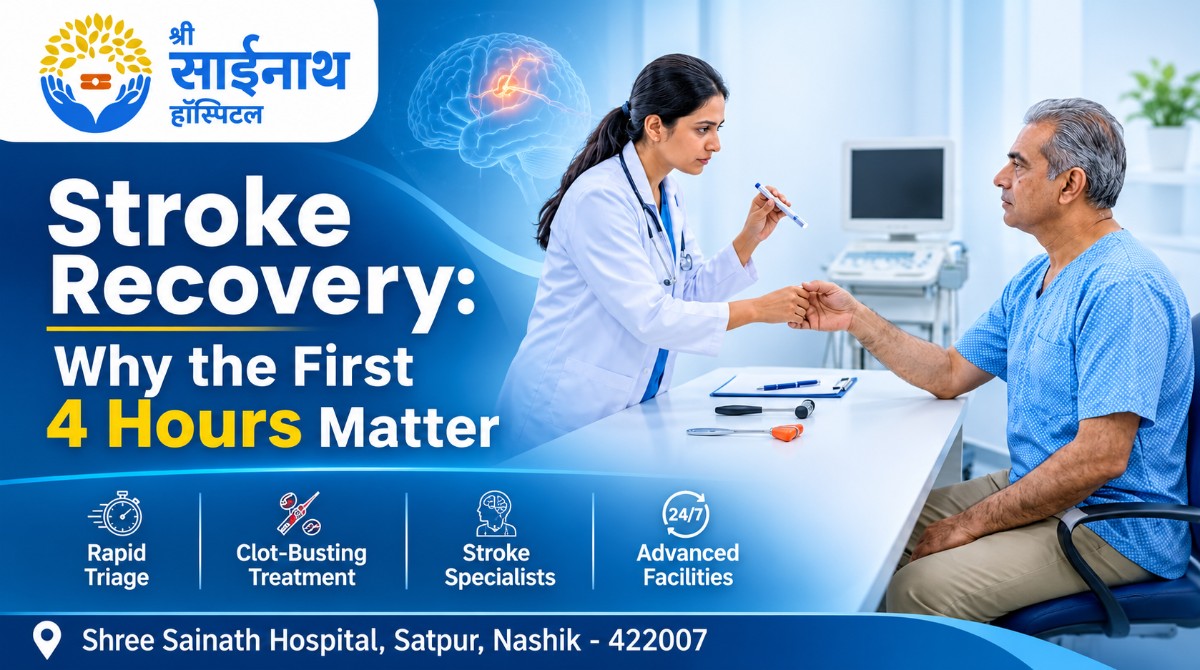
Stroke Recovery: Why the First 4 Hours Matter
A sudden change in someone's speech, a drooping face or weakness in one arm can be easy to dismiss, especially when it happens to an otherwise healthy family member. But these could be warning signs of a stroke, and delaying medical attention can have serious consequences.
In stroke management, doctors often refer to the first 4 hours as a critical treatment window. This is because certain eligible patients with an ischaemic stroke can benefit from time-sensitive treatment during this period. The sooner treatment begins, the better the opportunity to limit brain damage.
Understanding this window could make a life-changing difference to someone you care about.
What Happens to the Brain During a Stroke?
A stroke occurs when the brain's blood supply is interrupted or a blood vessel ruptures.
There are two major types:
Ischaemic stroke: A blood clot blocks an artery supplying blood to the brain. Without adequate oxygen, brain cells begin to become damaged.
Haemorrhagic stroke: A blood vessel ruptures, causing bleeding in or around the brain.
Both are medical emergencies, but their treatments are different. This is why identifying the type of stroke through urgent medical assessment and brain imaging is essential before treatment decisions are made.
Why Are the First 4 Hours So Important?
Think of the brain as a network that depends on continuous blood circulation. When an artery becomes blocked, the affected brain cells are deprived of oxygen and nutrients.
The longer the interruption continues, the greater the risk of permanent damage.
For eligible patients experiencing an acute ischaemic stroke, doctors may administer clot-dissolving medication, known as intravenous thrombolysis, within 4 hours of symptom onset or last-known-well time.
This treatment aims to restore blood flow and reduce the extent of brain injury.
However, not every stroke patient qualifies. Doctors consider the patient's medical history, symptoms, timing and brain imaging results before deciding on treatment.
Remember: 4 hours is not a period you should wait before seeking help. Treatment must begin as early as medically possible.
How Can You Recognise a Stroke? Remember BE FAST
Stroke symptoms often appear suddenly. Recognising them early can help families act without hesitation.
B – Balance: Sudden dizziness or loss of coordination.
E – Eyes: Sudden blurred vision or loss of vision.
F – Face: One side of the face droops when smiling.
A – Arms: One arm becomes weak or drifts downward.
S – Speech: Slurred speech or difficulty understanding words.
T – Time: Seek emergency medical attention immediately.
Even one sudden warning sign deserves urgent attention. Do not wait for multiple symptoms to appear.
What Should You Do If Someone Shows Stroke Symptoms?
Your response during the first few minutes matters.
Call emergency services and arrange immediate hospital transport.
Note the exact time symptoms started, or when the person was last seen normal.
Do not give food, water or medication unless advised by a medical professional.
Do not give aspirin without medical assessment, as the stroke could involve bleeding.
Carry the patient's existing medical records and medication details if readily available. Do not delay transport to collect them.
Never assume that symptoms will disappear on their own. Even if they improve after a few minutes, they could indicate a transient ischaemic attack (TIA), which also requires urgent evaluation.
What Happens After Reaching the Hospital?
The first priority is to identify the type and severity of the stroke.
Medical teams generally perform:
Neurological assessment: Evaluating speech, movement, alertness and other neurological functions.
Brain imaging: CT or MRI investigations help identify bleeding or blocked blood vessels and guide treatment decisions.
Emergency treatment: Doctors determine whether clot-dissolving medication, a procedure or other medical management is appropriate.
Critical care monitoring: Monitoring the patient's condition and managing potential complications.
Some patients with large-vessel blockages may also qualify for mechanical thrombectomy, a procedure that removes the clot. Selected patients may benefit from this treatment up to 24 hours after they were last known to be well, depending on imaging and clinical findings.
At Shree Sainath Multispeciality Hospital, Satpur, Nashik, emergency stroke management, neurological evaluation and critical care support are part of the hospital's services.
Does Stroke Recovery End After Emergency Treatment?
Not at all. Emergency treatment addresses the immediate threat, but recovery can take weeks, months or longer. Some patients regain most of their abilities, while others need ongoing support.
Rehabilitation may include:
Physiotherapy to improve strength, balance and walking.
Speech therapy to address communication and swallowing difficulties.
Occupational therapy to rebuild everyday skills.
Medical follow-ups and support to reduce the risk of another stroke.
A structured rehabilitation plan helps patients work towards greater independence and a better quality of life.
Frequently Asked Questions About Stroke Recovery
1. Can a stroke patient recover completely?
Yes, some patients recover fully, while others experience lasting difficulties. Recovery depends on the stroke's severity, the brain area affected, treatment timing and rehabilitation.
2. Is 4 hours the maximum time to treat a stroke?
No. It is the standard window for intravenous clot-dissolving treatment in eligible patients with ischaemic stroke. Selected patients may qualify for other treatments, including mechanical thrombectomy, beyond this period.
3. Can stroke symptoms disappear without treatment?
Symptoms may temporarily disappear in a transient ischaemic attack. However, this is a medical emergency and requires immediate evaluation.
4. Can a stroke happen without warning?
Yes. Stroke symptoms often develop suddenly, even in people who have not experienced previous warning signs.
5. Does every stroke patient need surgery?
No. Treatment depends on the stroke type and severity. Some patients need medication and monitoring, while selected patients may require procedures.
6. When should stroke rehabilitation begin?
Rehabilitation generally begins once the patient's medical condition is stable and the treating team considers it safe. The timing and approach depend on individual needs.
Every Minute Matters. Do Not Delay Stroke Care.
A stroke can change a person's life in minutes. Recognising the symptoms, acting immediately and reaching appropriate medical care can help protect valuable brain function.
At Shree Sainath Hospital, Satpur, Nashik, our emergency and critical care services support the timely assessment and management of stroke patients.
If you notice sudden stroke symptoms in yourself or someone around you, seek emergency medical attention immediately.
Shree Sainath Hospital, Nashik
Emergency & OPD: 24×7
Contact: +91 81808 80975
Medical disclaimer: This article is intended for general awareness and does not replace professional medical advice, diagnosis or emergency treatment.