A stroke is a serious medical emergency that occurs when blood supply to the brain is disrupted. Immediate medical treatment is essential to reduce brain damage and improve recovery. Shree Sainath Multispeciality Hospital in Satpur, Nashik provides rapid stroke emergency management with timely diagnosis, monitoring, and critical care support.
Our medical team focuses on early evaluation of stroke symptoms and providing prompt treatment to stabilize the patient and prevent complications. Quick medical response during the first few hours after a stroke can significantly improve patient outcomes.
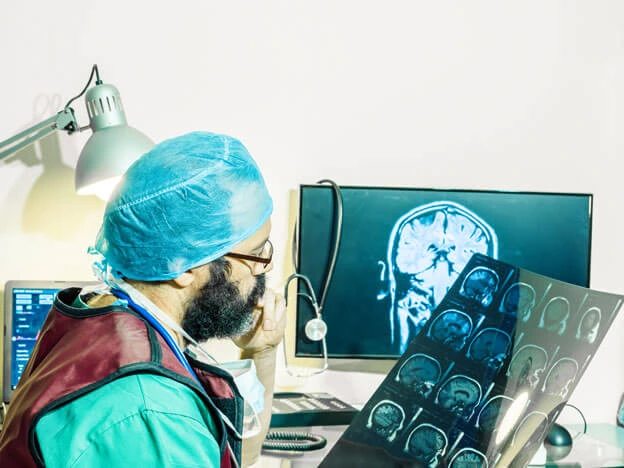
Stroke can occur due to different medical conditions affecting blood flow to the brain. The most common types include:
Caused by a blockage in blood vessels supplying the brain. It is the most common type and requires immediate intervention to restore blood flow.
Caused by bleeding in the brain due to a ruptured blood vessel. This type requires critical care monitoring and prompt neurological management.
A temporary blockage often called a "mini stroke." Although symptoms resolve quickly, TIA is a serious warning sign requiring immediate medical evaluation.
Recognizing stroke symptoms early can help patients receive immediate treatment. Warning signs may include:
Sudden weakness or numbness on one side of the body
Difficulty speaking or understanding speech
Sudden confusion or altered mental state
Loss of balance or coordination
Severe headache without a known cause
Blurred or double vision
If any of these symptoms appear suddenly, immediate medical care is required.
Quick diagnosis is essential for effective stroke treatment. Our hospital provides rapid medical evaluation to determine the cause of the stroke and initiate treatment.
Immediate evaluation by our medical team to assess stroke severity, neurological function, and patient condition upon arrival.
Advanced imaging and diagnostic tests to identify the type of stroke, affected brain regions, and the underlying cause.
Round-the-clock monitoring in our ICU to track vital signs and prevent deterioration during the critical recovery phase.
Medical interventions to stabilize the patient, manage complications, and support recovery of brain function.
Guidance and planning for post-stroke rehabilitation to support neurological recovery and improve quality of life.
Timely intervention helps reduce long-term neurological damage. Our emergency stroke protocol ensures every minute counts from the moment you arrive.
The first few hours after a stroke are extremely critical. Seeking medical care without delay greatly increases the chances of successful treatment.
Immediate treatment helps limit the extent of brain injury caused by disrupted blood flow.
Early intervention significantly improves the likelihood of a faster and more complete recovery.
Prompt care reduces the risk of permanent disabilities and neurological complications.
Timely treatment minimizes secondary complications that can arise from untreated stroke.
If someone experiences symptoms of a stroke, seek medical help immediately