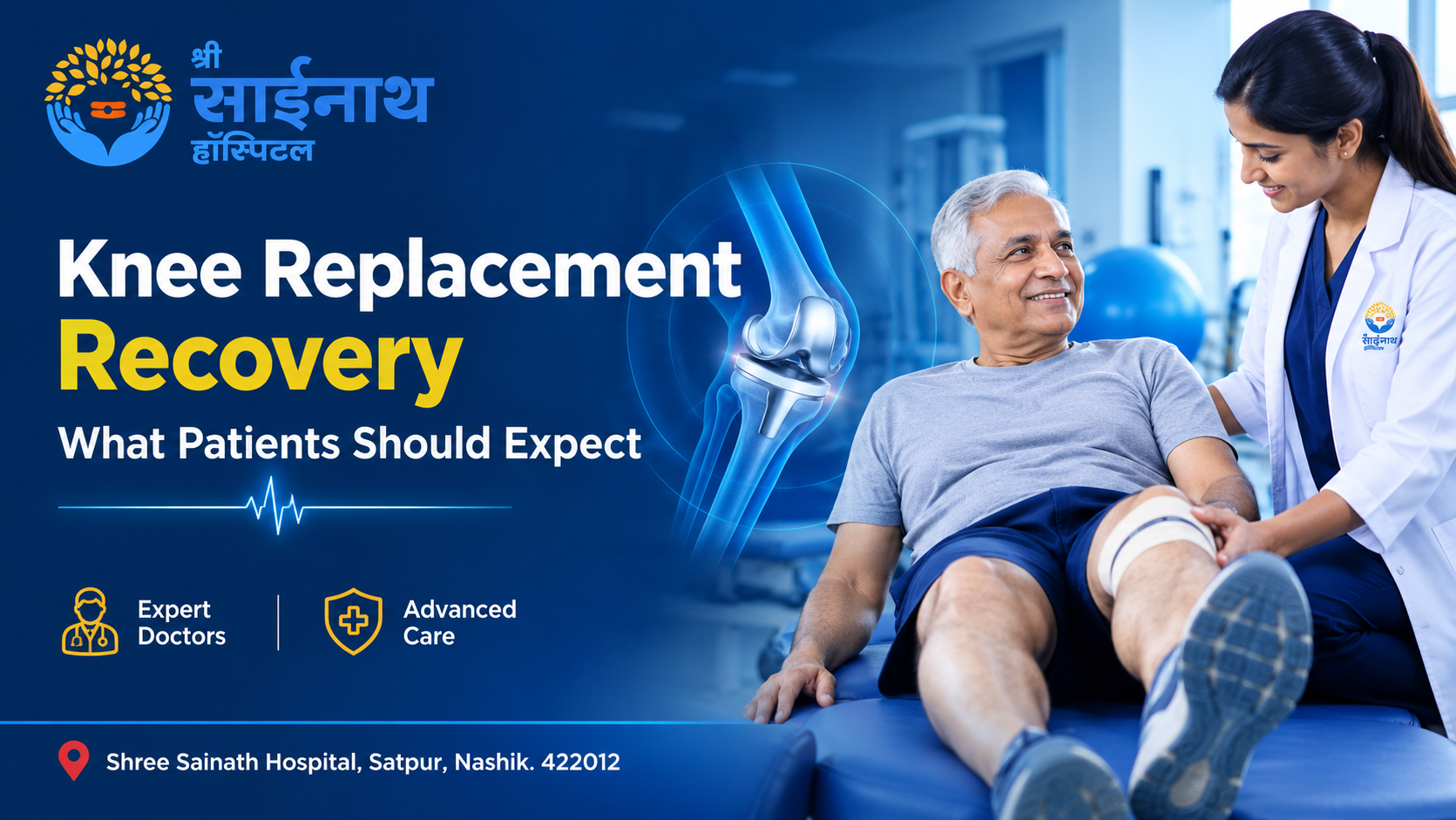
Knee Replacement Recovery: What Patients Should Expect
Knee replacement surgery can help people with severe knee pain and limited mobility return to a more active and comfortable life. However, surgery is only one part of the treatment journey. Knee replacement recovery involves pain management, wound care, physiotherapy, strengthening exercises, gradual walking, and a step-by-step return to daily activities.
Many patients ask, “How long does knee replacement recovery take?” While recovery varies from person to person, many patients begin walking soon after surgery and gradually regain strength and mobility over the following weeks and months. Following the surgeon's instructions and staying consistent with rehabilitation can support a safe and effective recovery.
What Is Knee Replacement Recovery Like?
Knee replacement recovery is a gradual process rather than an overnight change. During the early stages, patients may experience pain, swelling, stiffness and difficulty moving the knee. These symptoms generally improve as healing progresses.
The main goals of recovery include:
Controlling pain and swelling
Protecting the surgical wound
Regaining knee movement and flexibility
Improving leg strength
Learning to walk safely
Performing prescribed rehabilitation exercises
Gradually returning to everyday activities
Your recovery plan may be adjusted depending on your age, general health, muscle strength, type of knee replacement, activity level and progress during physiotherapy.
How Long Does Knee Replacement Recovery Take?
There is no single knee replacement recovery time that applies to every patient. Many people can perform basic daily activities within several weeks, while continued improvement in strength, flexibility and endurance can occur for several months.
For many patients, a general recovery timeline may look like this:
First few days: Pain and swelling are managed, and assisted walking usually begins.
First 2 weeks: Focus remains on wound care, mobility, exercises and gradually increasing activity.
Weeks 3–6: Strength, knee movement and walking ability generally continue to improve.
Weeks 6–12: Many patients become more independent with everyday activities.
3–6 months: Strength, endurance and overall function may continue improving.
This knee replacement recovery timeline is only a general guide. Your surgeon and physiotherapist can provide a more appropriate timeline based on your individual recovery.
Knee Replacement Recovery Stages
Understanding the different knee replacement recovery stages can help patients know what to expect.
Stage 1: Early Recovery
The first few days after surgery focus on controlling pain and swelling, protecting the surgical area and beginning safe movement.
A physiotherapist may help you:
Get out of bed safely
Stand and walk with appropriate support
Perform basic knee exercises
Learn how to use a walker or other mobility aid
Begin improving knee movement
Early movement is an important part of recovery, but activities should follow the instructions provided by your healthcare team.
Stage 2: Building Mobility
During the following weeks, the focus gradually shifts toward walking more comfortably and improving knee strength and flexibility.
Patients may progressively reduce their dependence on walking aids when they can walk safely and their healthcare team considers it appropriate.
Stage 3: Regaining Strength and Function
As recovery progresses, knee replacement rehabilitation focuses on strengthening the muscles around the knee and improving balance, flexibility and endurance.
Patients may gradually return to more routine household and personal activities according to their recovery and medical advice.
Stage 4: Returning to Normal Activities
Later in recovery, many patients are able to perform everyday activities more comfortably. However, the timing of returning to specific activities varies.
Your surgeon or physiotherapist can advise when it is appropriate to increase activity levels or resume particular exercises and recreational activities.
Pain and Swelling After Knee Replacement Surgery
Pain after knee replacement surgery is common during the early recovery period. Pain management may include prescribed medication, appropriate movement, ice or other measures recommended by your healthcare team.
Swelling after knee replacement is also common and can sometimes continue for weeks or gradually fluctuate as activity levels increase.
Patients should follow their healthcare team's instructions regarding:
Pain medicines
Ice or cold therapy
Leg positioning
Activity levels
Wound care
Exercises
Severe or worsening pain, significant redness, drainage from the wound, fever, or other concerning symptoms should be discussed promptly with the treating medical team.
Walking After Knee Replacement
Many patients begin walking after knee replacement with assistance relatively soon after surgery. The initial goal is not to walk long distances but to move safely and gradually.
A walker, crutches or another mobility aid may be recommended initially. As strength and balance improve, the patient may gradually progress to less assistance.
When Can You Walk After Knee Replacement?
Many patients can take assisted steps within the first day or days after surgery, depending on their condition and the surgical team's protocol.
The exact timing depends on factors such as:
Overall health
Surgical technique
Muscle strength
Balance
Pain control
Medical complications
Individual rehabilitation progress
Always follow your surgeon's and physiotherapist's recommendations rather than comparing your recovery with someone else's.
Knee Replacement Physical Therapy and Physiotherapy
Knee replacement physical therapy is an important part of rehabilitation. Physiotherapy after knee replacement generally focuses on improving movement, strength, walking ability and functional independence.
A rehabilitation program may include:
Range-of-motion exercises
Muscle-strengthening exercises
Walking practice
Balance and coordination activities
Functional training
Gradual progression of daily activities
Consistent participation in the prescribed rehabilitation program can help support recovery.
Exercises After Knee Replacement
Exercises after knee replacement should be selected according to your stage of recovery and individual condition.
Depending on your healthcare team's recommendations, rehabilitation may include exercises that focus on:
Ankle movement
Quadriceps activation
Straight-leg strengthening
Knee bending and straightening
Hip and leg strengthening
Walking and balance
The goal is to progressively improve knee movement and strength without overloading the healing tissues.
Do not begin unfamiliar or strenuous exercises without discussing them with your surgeon or physiotherapist.
Sleeping After Knee Replacement
Finding a comfortable sleeping position can be challenging during the early stages of recovery.
Patients may find it helpful to:
Follow their healthcare team's positioning advice
Keep the surgical leg comfortably supported
Avoid positions that cause excessive discomfort
Manage pain according to prescribed instructions
Maintain a regular sleep routine
If pain is repeatedly preventing sleep, discuss it with your healthcare provider rather than changing medication on your own.
Activities After Knee Replacement
Returning to activities should happen gradually. Walking and prescribed rehabilitation exercises are generally introduced before more demanding activities.
Depending on your recovery, your healthcare team may guide you on returning to:
Household activities
Work
Longer walks
Stairs
Driving
Exercise
Recreational activities
High-impact activities may not be suitable for everyone after knee replacement. Always discuss your desired activities with your surgeon or physiotherapist.
When Can You Drive After Knee Replacement?
There is no universal date for returning to driving after knee replacement surgery.
The decision depends on factors such as:
Which leg was operated on
Pain and swelling
Muscle control
Reaction time
Ability to enter and exit the vehicle safely
Whether you are taking medicines that can impair driving
Your surgeon's advice
You should be able to safely control the vehicle and perform an emergency stop before returning to driving. Follow your surgeon's advice and applicable driving requirements.
Home Care After Knee Replacement
Good home care after knee replacement can support recovery and help reduce unnecessary strain.
Patients should generally focus on:
Keeping the surgical area clean and following wound-care instructions
Taking medicines exactly as prescribed
Completing recommended exercises
Walking according to their rehabilitation plan
Keeping frequently used items within easy reach
Removing trip hazards from walking areas
Using prescribed mobility aids correctly
Attending follow-up appointments
Family members or caregivers may also help with household tasks during the early recovery period.
Diet After Knee Replacement Surgery
A balanced diet after knee replacement surgery can support overall healing and recovery.
Depending on individual dietary needs, meals should provide adequate:
Protein
Fruits and vegetables
Whole grains and other nutrient-rich carbohydrates
Healthy fats
Fluids
Protein-rich foods such as eggs, dairy products, pulses, beans, fish or lean meats can be included according to personal dietary preferences and medical needs.
Patients with diabetes, kidney disease or other medical conditions may require individualized dietary advice.
Precautions After Knee Replacement Surgery
Following precautions after knee replacement surgery is important during the healing period.
Patients should:
Follow the surgeon's activity restrictions
Avoid rushing back into strenuous activities
Use walking aids as instructed
Attend scheduled follow-up appointments
Follow the prescribed physiotherapy program
Monitor the surgical wound
Report unusual or worsening symptoms promptly
Your surgeon may provide specific precautions based on your surgery and individual health.
Recovery Tips After Knee Replacement
These recovery tips after knee replacement can help patients stay organized during rehabilitation:
1. Follow Your Rehabilitation Plan
Perform your prescribed exercises consistently rather than doing excessive exercise occasionally.
2. Increase Activity Gradually
Recovery takes time. Avoid increasing walking or exercise intensity too quickly.
3. Manage Pain Appropriately
Take prescribed medicines according to your healthcare provider's instructions.
4. Keep Follow-Up Appointments
Follow-up visits allow your healthcare team to monitor healing, knee movement and overall progress.
5. Maintain a Healthy Diet
Adequate nutrition and hydration support overall recovery.
6. Prioritize Safe Movement
Use prescribed walking aids and make your home environment safer to reduce the risk of falls.
7. Listen to Your Body
Some discomfort can occur during rehabilitation, but significant or worsening symptoms should not be ignored.
When Should You Contact Your Doctor?
Contact your healthcare team if you experience symptoms that are concerning or significantly different from what you were told to expect.
These may include:
Increasing or severe pain
Significant worsening of swelling
Increasing redness or warmth around the wound
Drainage from the surgical wound
Fever or chills
Sudden difficulty walking
New calf pain or swelling
Shortness of breath or chest pain
Some symptoms after surgery can indicate complications and require prompt medical assessment.
Return to Normal Activities After Knee Replacement
The return to normal activities after knee replacement is gradual.
Some patients may resume basic daily activities within weeks, while activities requiring greater strength, balance or endurance may take longer.
Rather than focusing only on a specific number of weeks, recovery should be assessed based on:
Pain level
Knee range of motion
Muscle strength
Walking ability
Balance
Functional independence
Overall medical condition
Your healthcare team can help determine when you are ready to progress to the next level of activity.
How Can You Support a Successful Knee Replacement Recovery?
A successful recovery requires more than simply waiting for the knee to heal. Active participation in rehabilitation can be important.
Patients should work closely with their orthopedic surgeon and physiotherapist, attend follow-up appointments, complete recommended exercises and gradually increase activity.
Every patient's total knee replacement recovery is different. Comparing your progress with another patient may create unnecessary concern. The most useful measure is whether your mobility, strength and function are improving according to your individual recovery plan.
Frequently Asked Questions About Knee Replacement Recovery
1. How long does knee replacement recovery take?
Knee replacement recovery commonly progresses over several weeks to months. Many patients improve substantially within the first 6–12 weeks, while strength, flexibility and overall function can continue improving for several months.
2. When can you walk after knee replacement?
Many patients begin assisted walking within the first day or days after surgery, depending on their health, surgical protocol and rehabilitation progress. Walking distance and independence generally increase gradually.
3. How long does pain last after knee replacement surgery?
Pain is usually more noticeable during the early recovery period and generally decreases as healing progresses. Some discomfort can continue during rehabilitation. Persistent, severe or worsening pain should be discussed with the treating doctor.
4. How long does swelling last after knee replacement?
Swelling is common after surgery and may gradually decrease over several weeks. It can sometimes fluctuate as activity increases. Significant or worsening swelling should be evaluated by a healthcare professional.
5. Is physiotherapy necessary after knee replacement?
Physiotherapy is an important component of many knee replacement rehabilitation programs. It can help improve knee movement, strength, walking ability and functional recovery.
6. What exercises are done after knee replacement?
Exercises may include range-of-motion movements, muscle activation, leg strengthening, walking and balance exercises. The specific program should be prescribed or adjusted by the patient's healthcare team.
7. When can I drive after knee replacement?
The timing varies depending on the operated leg, pain, muscle control, reaction time, medications and individual recovery. Your surgeon should confirm when you are ready to drive safely.
8. Can I return to normal activities after knee replacement?
Many patients gradually return to everyday activities as their strength, mobility and confidence improve. The timing varies, and more demanding activities should only be resumed when approved by the treating healthcare team.
9. What should I eat after knee replacement surgery?
A balanced diet containing adequate protein, fruits, vegetables, whole grains, healthy fats and fluids can support overall recovery. Individual dietary needs should be discussed with a healthcare professional when medical conditions are present.
10. What precautions should I take after knee replacement surgery?
Patients should follow their surgeon's instructions, complete prescribed rehabilitation, use mobility aids correctly, avoid activities that have not yet been approved and attend follow-up appointments.
Final Takeaway
Knee replacement recovery is a gradual process that depends on the individual patient, the surgery and rehabilitation progress. Early recovery usually focuses on pain and swelling management, safe walking and restoring knee movement. Over the following weeks and months, physiotherapy, strengthening exercises and gradual increases in activity can help patients regain mobility and independence.
If you are considering knee replacement or are recovering from surgery, discuss your individual recovery expectations, rehabilitation plan and return to activities with your orthopedic surgeon and physiotherapy team.