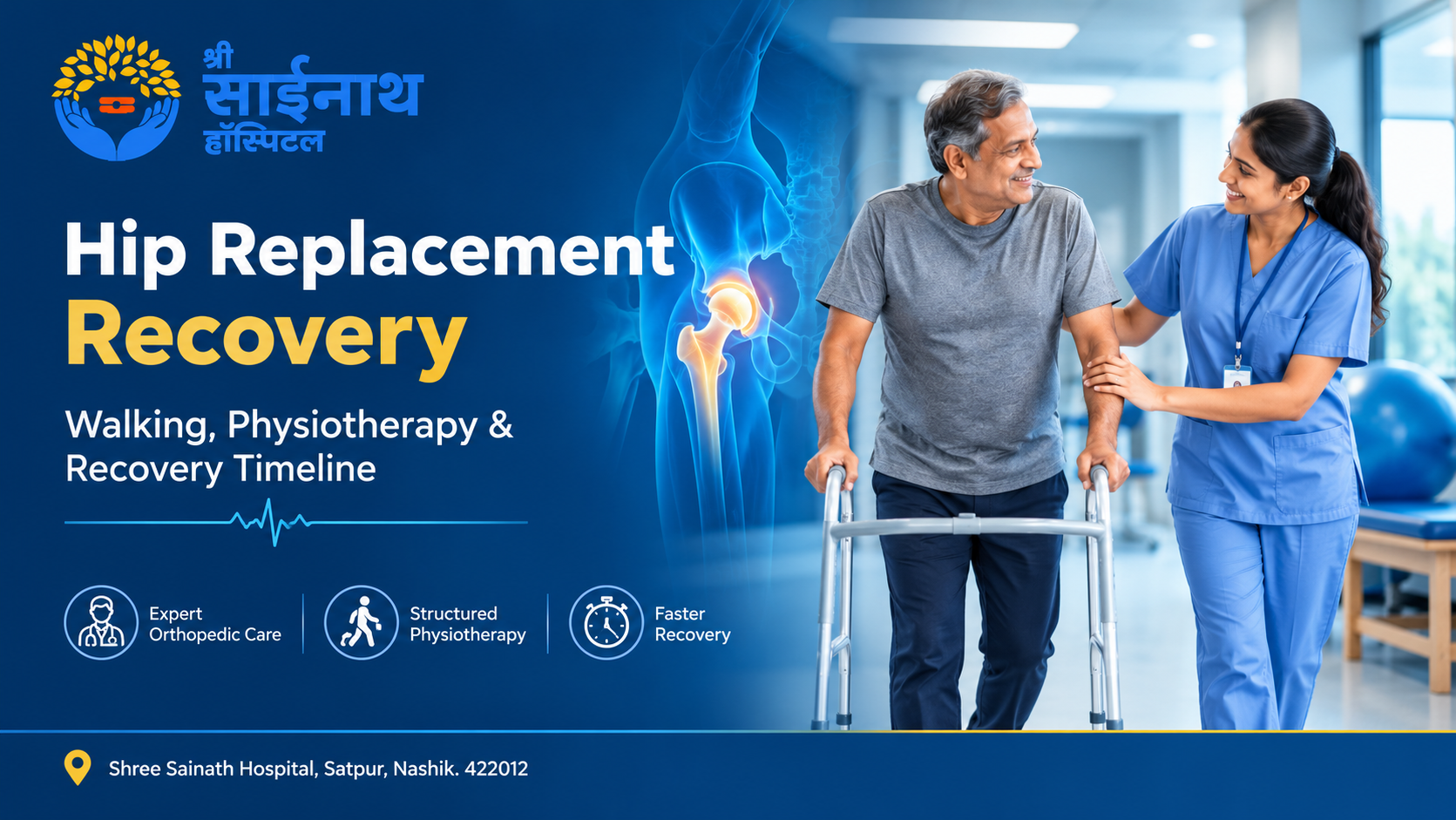
Hip Replacement Recovery: Walking, Physiotherapy & Recovery Timeline
Hip replacement surgery can help people with severe hip pain and difficulty moving regain comfort and independence. However, recovery does not end when the operation is complete. Walking safely, following physiotherapy instructions, managing discomfort and gradually returning to daily activities are all important parts of the healing process.
If you or a family member is preparing for total hip replacement (THR), understanding the recovery timeline can help you plan for the weeks ahead. Knowing when walking may become easier, why physiotherapy matters and which precautions to follow can also help you participate more confidently in rehabilitation.
Hip replacement recovery varies from person to person. Your progress depends on your overall health, muscle strength, the condition of your hip before surgery, the surgical approach, and how consistently you follow your individualized rehabilitation plan.
Quick Answer: How Long Does Hip Replacement Recovery Take?
Many patients begin standing and walking with assistance within a day of surgery, when medically appropriate. Basic daily activities often become easier over the first several weeks, while further improvements in strength, balance and endurance may continue for three to six months or longer.
Recovery is gradual. Some patients progress faster, while others need additional time because of age, other medical conditions, reduced muscle strength or complications.
These are general milestones, not guaranteed deadlines. Your orthopedic surgeon and physiotherapist should guide your progression.
What Is Hip Replacement Surgery?
Hip replacement surgery is a procedure in which damaged parts of the hip joint are replaced with artificial components. The procedure is also called hip joint replacement or total hip replacement (THR) when both the ball and socket components are replaced.
The hip is a ball-and-socket joint. The rounded head of the thigh bone, called the femoral head, fits into a socket in the pelvis. Healthy cartilage allows these surfaces to move smoothly.
Conditions such as advanced osteoarthritis, certain fractures and other forms of joint damage can cause pain, stiffness and restricted movement. When symptoms significantly affect daily life and appropriate non-surgical treatments no longer provide sufficient relief, an orthopedic specialist may consider hip replacement.
The main goals of surgery are to reduce joint-related pain and improve mobility and function. The degree of improvement depends on the patient's individual condition.
What Happens During a Total Hip Replacement?
During a total hip replacement, the surgeon replaces the damaged femoral head with an artificial ball and places a component within the hip socket. The exact implants and surgical technique depend on the patient's anatomy, bone quality and clinical requirements.
The operation itself is only one part of the treatment process. Preparation before surgery and rehabilitation afterwards also contribute to recovery.
Patients should distinguish between hip replacement surgery time and recovery time. The operation commonly takes around one to two hours, although the duration varies with the complexity of the case and the surgical technique. Recovery continues for weeks and months after the procedure.
Hip Replacement Recovery Timeline: What to Expect
1. The First Few Days After Surgery
The initial recovery period focuses on medical monitoring, pain control, safe movement and preventing complications.
Depending on your condition and your surgeon's instructions, your care team may help you:
Sit up, stand and take your first steps with assistance.
Use a walker or another prescribed walking aid.
Begin simple ankle movements and other recommended exercises.
Learn how to get in and out of bed safely.
Understand wound care and medication instructions.
Practise moving to a chair or using the bathroom safely.
Walking may begin within 24 hours for many medically stable patients. However, the timing depends on your recovery, surgical instructions and ability to move safely.
Some patients can return home relatively quickly, while others require a longer hospital stay or additional rehabilitation support.
Important: Do not attempt to walk independently before your healthcare team confirms that it is safe.
2. Weeks 1–2: Building a Safe Routine
During the first two weeks, the focus is on protecting the surgical area while gradually increasing movement.
You may still experience soreness, swelling, bruising, fatigue or difficulty performing certain daily tasks. These symptoms should generally improve over time, although the pace differs between individuals.
Your recovery routine may include:
Taking short, regular walks as advised.
Performing prescribed physiotherapy exercises.
Using your walking aid for as long as recommended.
Keeping the surgical wound clean and following dressing instructions.
Arranging assistance with bathing, dressing and household tasks.
Taking prescribed medicines as directed.
Avoid increasing walking distance simply because you feel better on a particular day. Activity should progress according to your pain, balance, strength and medical advice.
Your surgeon will also advise when the wound needs review and whether any additional appointments are required.
3. Weeks 3–6: Improving Walking and Daily Activities
Many patients notice meaningful improvements in mobility during this stage. Standing up, moving around the home and completing basic tasks may become easier.
Physiotherapy often continues to focus on improving strength, joint movement, balance and walking technique.
Depending on your progress, your rehabilitation plan may include:
Gradually increasing walking distance.
Practising controlled sitting and standing.
Improving the strength of muscles around the hip.
Working on balance and coordination.
Progressing from a walker to a cane when appropriate.
Learning safer ways to manage stairs and everyday movements.
Not everyone will be ready to stop using a walking aid at six weeks. The decision should be based on safe walking, adequate balance and your physiotherapist's or surgeon's assessment—not simply the number of weeks since surgery.
4. Weeks 6–12: Strength and Independence
During this stage, many patients continue to improve their walking ability and confidence with daily activities.
Rehabilitation may shift towards more demanding functional tasks, depending on the patient's progress and clinical instructions.
You may work towards:
Walking for longer periods without excessive fatigue.
Improving hip and leg muscle strength.
Practising balance and controlled movement.
Returning gradually to suitable household activities.
Resuming driving or work when medically cleared.
Progressing towards low-impact physical activities when approved.
Some patients recover these abilities earlier, while others require additional support. Persistent pain, weakness or difficulty walking should be discussed with your healthcare team rather than managed by increasing exercise independently.
5. Three to Six Months and Beyond
Recovery does not necessarily stop at three months. Muscle strength, endurance, balance and confidence may continue to improve for six months or longer.
Patients who were less active before surgery may need more time to rebuild strength. Other medical conditions can also affect rehabilitation.
The aim is not simply to walk without assistance. It is to improve function safely and return to appropriate daily activities while protecting the replaced joint.
Follow-up appointments help your orthopedic team assess progress and address any concerns.
When Can You Walk After Hip Replacement Surgery?
Most medically stable patients are encouraged to begin standing and walking with assistance early after surgery. Early, supervised movement can help reduce complications associated with prolonged immobility and begin the rehabilitation process.
However, walking ability develops gradually.
Initially, you may need a walker and assistance from a healthcare professional. As strength, balance and confidence improve, you may progress to a cane or walk without an aid, if your clinical team considers this safe.
Tips for Walking Safely
Follow the weight-bearing instructions provided by your surgeon.
Use your prescribed walking aid until you are advised to stop.
Take short, regular walks rather than attempting long distances too early.
Wear supportive footwear that reduces the risk of slipping.
Keep floors and walking areas free from loose rugs, wires and clutter.
Avoid sudden twisting or pivoting movements when turning.
Stop and seek advice if activity causes unusual or worsening symptoms.
The correct walking progression depends on your operation, implant fixation, bone quality and overall health.
Why Is Physiotherapy Important After Hip Replacement?
Physiotherapy is an important part of hip replacement recovery because surgery alone does not restore muscle strength, balance and normal movement patterns.
Pain and reduced activity before surgery can weaken the muscles around the hip. After surgery, these muscles need gradual, structured rehabilitation to support walking and everyday function.
Your physiotherapist will tailor your programme to your recovery stage and the instructions given by your surgeon.
Common Physiotherapy Goals
1. Improve joint movement
Gentle, prescribed movements help maintain mobility and support functional activities.
2. Strengthen the muscles around the hip
Exercises may target the hip, thigh and other muscles needed for standing, walking and maintaining balance.
3. Improve walking technique
Physiotherapy helps patients practise safe steps, appropriate posture and correct use of walking aids.
4. Build balance and coordination
Balance training can help reduce the risk of falls as patients become more independent.
5. Support a gradual return to daily activities
Rehabilitation may include practising transfers, stairs and other movements required at home.
Which Exercises May Be Recommended?
Depending on your condition and surgical instructions, your physiotherapist may prescribe:
Ankle pumps.
Gentle thigh-muscle contractions.
Prescribed gluteal muscle contractions.
Supported standing exercises.
Short walking sessions.
Gradual strengthening and balance exercises.
Not every exercise is suitable for every patient or recovery stage. Do not begin unsupervised exercise routines based on online instructions alone.
Follow your prescribed physiotherapy programme. Performing too much exercise too early can increase discomfort and interfere with safe recovery.
Precautions After Hip Replacement Surgery
Precautions depend on the surgical approach, implant stability, individual risk factors and the instructions given by your orthopedic surgeon. Traditional precautions are not identical for every patient.
Your care team may recommend avoiding certain positions or movements temporarily, particularly if they could increase the risk of hip dislocation.
General Recovery Precautions
Follow the specific movement restrictions given by your surgeon.
Avoid twisting sharply on the operated leg.
Use prescribed support when standing, walking or climbing stairs.
Avoid high-impact activities until specifically cleared.
Follow wound-care instructions and attend scheduled follow-up appointments.
Take medicines only as prescribed.
Keep your home environment safe to reduce falls.
Ask when it is appropriate to drive, return to work or resume exercise.
Some patients may be instructed to avoid crossing their legs, bending the hip beyond a particular angle or turning the operated leg in certain directions. These restrictions should be followed when prescribed; they should not automatically be assumed to apply to every surgical approach.
When Should You Seek Medical Attention?
Contact your healthcare team promptly if you experience increasing pain, worsening redness or drainage from the wound, fever, or swelling that is new or getting worse.
Seek emergency medical attention if you develop sudden shortness of breath, chest pain, collapse, or other symptoms suggesting a serious complication. Sudden severe hip pain, a new deformity or an inability to bear weight after a fall also requires urgent assessment.
Do not wait for a routine follow-up appointment if serious symptoms develop.
What Factors Affect Hip Replacement Recovery Time?
There is no single recovery timeline that applies to everyone. Several factors can influence how quickly you regain strength and independence.
1. Overall Health
Conditions such as diabetes, heart disease and other chronic illnesses may affect surgical recovery and rehabilitation. Your care team will consider these factors when planning treatment.
2. Muscle Strength Before Surgery
Patients who have maintained more strength and mobility before surgery may find some rehabilitation activities easier. However, severe pain can limit preoperative activity, and recovery remains possible with an appropriate plan.
3. Age and Functional Ability
Age alone does not determine recovery speed. Balance, general fitness, medical conditions, support at home and the ability to participate in rehabilitation are also important.
4. Surgical Complexity
Revision surgery, fractures and certain complex hip conditions may require a different rehabilitation approach from a routine primary total hip replacement.
5. Physiotherapy and Home Support
Following exercise instructions, attending recommended appointments and having a safe environment can help patients participate in rehabilitation more effectively.
6. Complications
Infection, blood clots, dislocation or other complications can change the expected recovery course and require additional treatment.
Hip Replacement Recovery at Home: Practical Advice
Preparing your home before surgery can make the early recovery period easier.
Consider the following steps:
Arrange help with shopping, cooking and household chores.
Keep frequently used items within easy reach.
Remove loose rugs and other trip hazards.
Arrange a stable chair that is suitable for your mobility needs.
Follow the recommended method for entering and leaving bed.
Keep your walking aid accessible.
Take medications according to the prescribed schedule.
Maintain adequate nutrition and hydration, following any medical restrictions.
Plan transport for follow-up visits.
If you live alone, discuss your home situation with your healthcare team before surgery. You may need additional assistance or rehabilitation support during the initial recovery period.
Is Hip Replacement Recovery Different From Knee Replacement Recovery?
Hip replacement recovery and knee replacement recovery share several principles: early supervised movement, pain management, physiotherapy and gradual strengthening.
However, the procedures involve different joints and rehabilitation needs.
After hip replacement, particular attention may be given to hip movement precautions, walking mechanics and dislocation risk when relevant. Knee replacement rehabilitation often places additional emphasis on knee bending, straightening and restoring knee-specific function.
Neither procedure has one universal recovery timeline. Your progress depends on the operation performed, your health and the rehabilitation plan.
If you are comparing hip replacement with knee replacement, discuss the expected benefits, limitations and recovery requirements for your particular condition with an orthopedic specialist.
When Should You Consult an Orthopedic Specialist?
An orthopedic consultation is appropriate when hip pain, stiffness or restricted movement affects walking, sleep, work or everyday activities.
You should also seek an assessment if symptoms continue despite recommended non-surgical treatment or if imaging has identified significant joint damage.
Hip replacement is not automatically necessary for everyone with hip pain. A specialist may assess your symptoms, medical history, physical function and imaging results before discussing suitable options.
Depending on the cause and severity of the problem, treatment may include medication, activity modification, physiotherapy, walking support or surgery.
If hip replacement has already been recommended, you can discuss the expected benefits, possible complications, implant options, rehabilitation requirements and whether a second opinion would be useful.
Hip Replacement Recovery at Shree Sainath Hospital, Satpur, Nashik
Understanding the recovery process is an important part of making an informed decision about joint replacement surgery.
Shree Sainath Hospital, Satpur, Nashik, follows the broader care positioning of Advanced & Life-Saving Care, with the relevant specialty guiding the evaluation and treatment of each condition.
Patients considering total hip replacement can seek an orthopedic consultation to discuss their symptoms, available treatment options and the recovery support they may need.
During your consultation, consider asking:
Is hip replacement appropriate for my condition?
Are there non-surgical options worth trying?
What type of hip replacement procedure may be suitable?
When can I expect to start walking?
What physiotherapy and home support will I need?
Which precautions will apply to my surgery?
What symptoms should prompt urgent medical attention?
The answers should be based on your individual clinical assessment rather than a standard recovery timetable.
Conclusion
Hip replacement recovery involves more than healing after surgery. Safe walking, structured physiotherapy, appropriate precautions and regular follow-up all contribute to regaining mobility and independence.
Many patients begin walking with assistance early after surgery, but returning to everyday activities takes time. Improvements may continue over several months, and recovery varies according to individual health, surgical complexity and rehabilitation progress.
If you are considering total hip replacement or have already been advised to undergo surgery, discuss your treatment options and recovery plan with an orthopedic specialist. Understanding what to expect can help you prepare for surgery and approach rehabilitation with realistic expectations.
1. How long does hip replacement recovery take?
Many patients make substantial progress during the first six to twelve weeks. However, strength, endurance and functional mobility may continue improving for three to six months or longer. Recovery depends on the individual's health, surgery and rehabilitation.
2. How soon can I walk after hip replacement surgery?
Many medically stable patients begin standing and walking with assistance within 24 hours. The timing and amount of weight they can place on the operated leg depend on the surgeon's instructions and their clinical condition.
3. How long does hip ball replacement recovery take?
If you mean total hip replacement, recovery commonly involves several weeks of early rehabilitation, followed by continued improvements over several months. The exact timeline depends on the procedure, the patient's health and the rehabilitation plan.
4. Is physiotherapy necessary after hip replacement?
Physiotherapy is an important component of recovery for most patients. It helps improve strength, balance, walking technique and the ability to perform daily activities. The programme should be tailored to the patient's needs and surgical instructions.
5. What precautions should I follow after hip replacement surgery?
Follow your surgeon's instructions about walking aids, weight-bearing, wound care and hip movements. Specific restrictions vary with the surgical approach and individual circumstances. Avoid unsupervised exercise progression and reduce fall risks at home.
6. When can I return to normal activities after hip replacement?
Basic activities may become easier over the first several weeks, but returning to work, driving, exercise and more demanding tasks depends on recovery and medical clearance. Do not use a fixed timeline as permission to resume an activity.
7. What symptoms after hip replacement require medical attention?
Contact your healthcare team for fever, increasing wound redness or drainage, worsening pain or new swelling. Sudden shortness of breath, chest pain, collapse or severe hip pain after a fall requires emergency assessment.
8. Does everyone with hip pain need hip replacement surgery?
No. Hip pain can have several causes, and replacement is not necessary for every patient. An orthopedic specialist assesses symptoms, examination findings, imaging and previous treatment before recommending an appropriate option.
Planning Hip Replacement Surgery? Understand Your Recovery Options.
If hip pain is affecting your mobility or you have been advised to undergo total hip replacement, consult an orthopedic specialist at Shree Sainath Hospital, Satpur, Nashik.
Discuss your condition, available treatment options, expected rehabilitation requirements and precautions to understand the next steps for your individual recovery.
Schedule an orthopedic consultation to discuss your treatment and recovery plan.